Insulated Concrete Forms Manufacture: Shaping the Future of Green Building Solutions
ICFs are growing in prominence in the building sector for their energy-efficient advantages. These forms blend insulation and structural integrity, addressing the growing demand for sustainable building solutions. As environmental awareness continues to grow, the transition to ICFs raises important questions about traditional construction methods. What makes ICFs stand out in today's market? Exploring their benefits and applications reveals a more complex picture of construction's evolving future.
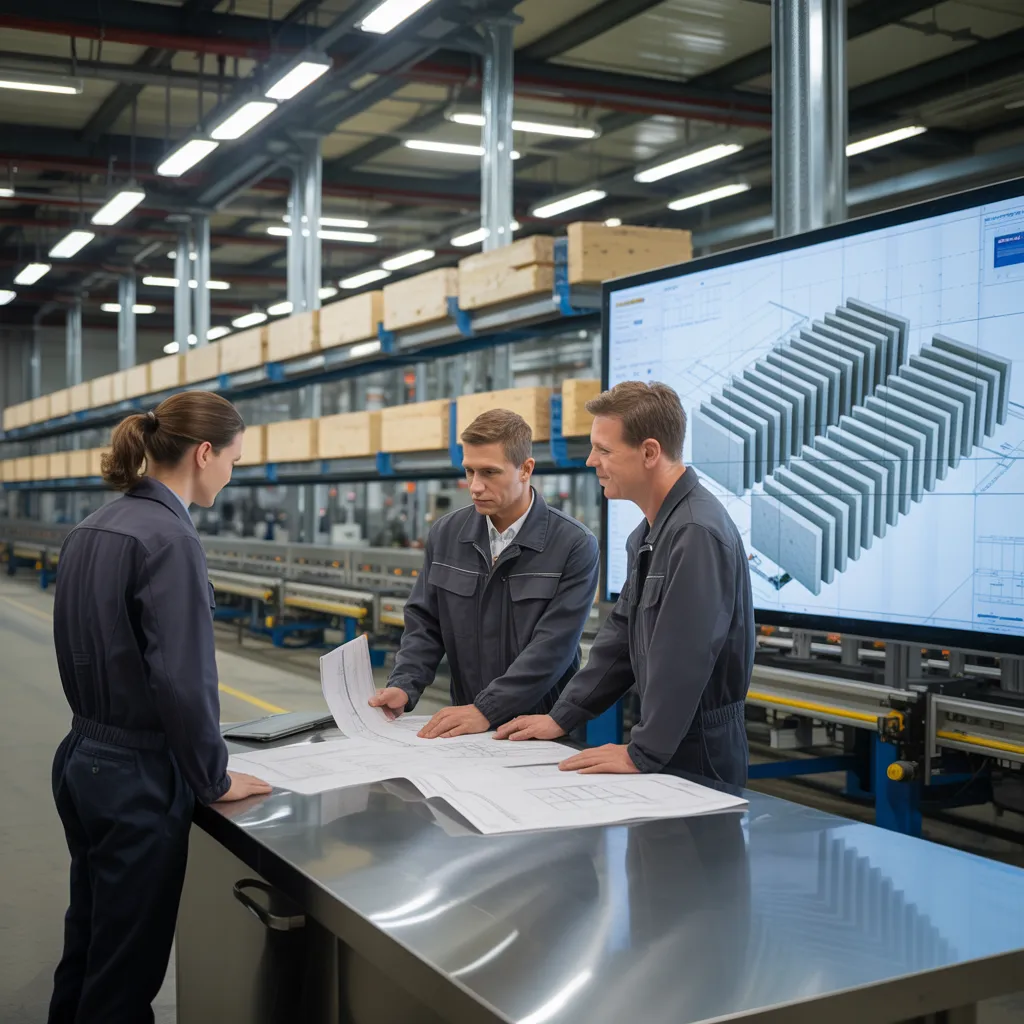
A Deep Dive into Insulated Concrete Forms: A Thorough Overview
While the construction industry evolves towards environmentally conscious practices, insulated concrete forms (ICFs) have risen to prominence as a key solution for sustainable and energy-efficient construction. ICFs are made up of expanded polystyrene (EPS) foam blocks or panels that lock together to form a robust framework. This structure is then filled with concrete, ensuring structural strength while improving thermal efficiency. The thermal insulation qualities of ICFs significantly lower energy usage for heating and cooling, making them a growing favorite among construction professionals.
In addition, ICF construction offers versatility, applicable to residential, commercial, and industrial purposes. The system allows for various architectural styles, upholding aesthetic value without sacrificing performance. Beyond this, ICFs enhance acoustic insulation and superior resilience against natural forces. With tightening regulatory requirements around energy efficiency, understanding ICFs becomes essential for stakeholders seeking to comply with contemporary construction standards while supporting green initiatives in the building industry.
Top Benefits of ICFs for Energy Efficiency and Sustainable Building
With energy efficiency becoming more critical in modern construction, the benefits of insulated concrete forms (ICFs) become readily apparent. ICFs offer superior insulation when measured against traditional building materials, significantly minimizing thermal bridging and improving energy performance. This leads to lower heating and cooling costs, supporting long-term savings for residential and commercial property owners.
In addition, ICFs are celebrated for their longevity and resilience, which greatly enhances eco-friendly construction methods. By supplying excellent noise insulation and resilience against natural disasters, ICF structures demand less upkeep and fewer repairs over the years.
Furthermore, ICFs help achieve a lower carbon footprint. The manufacturing and assembly of ICFs frequently incorporates eco-friendly materials, and their high energy efficiency decrease reliance on fossil explore the details fuels. This commitment to eco-friendly methods establishes ICFs as an ideal selection for builders aiming for sustainability. In summary, the benefits of ICFs reflect a fundamental shift toward environmentally responsible construction approaches.
How Do ICFs Stack Up Against Traditional Building Methods: Key Insights?
In comparing Insulated Concrete Forms, commonly known as ICFs, against conventional construction methods, notable distinctions in energy performance and building timelines become apparent. Insulated Concrete Forms typically offer outstanding thermal insulation, contributing to lower energy consumption over time. Moreover, the building process using ICFs tends to be more efficient, potentially reducing project timelines and labor costs.
Energy Conservation Benefits
How do Insulated Concrete Forms (ICFs) measure up against traditional building methods in terms of energy efficiency? ICFs offer considerable advantages, primarily due to their superior thermal insulation properties. The consistent insulation provided by ICFs minimizes thermal bridging, leading to reduced heat loss in winter and heat gain in summer. As a result, buildings built with ICFs preserve more stable indoor temperatures, which can reduce heating and cooling costs. Additionally, ICFs have a high R-value, enhancing overall energy efficiency compared to traditional wood framing. Moreover, the airtight construction of ICFs reduces air leakage, further contributing to energy savings. Overall, ICFs represent a forward-thinking solution for energy-efficient construction, advancing contemporary sustainability goals and lowering reliance on fossil fuels.
Speed Comparison in Construction
Insulated Concrete Forms (ICFs) dramatically improve the construction timeline compared to standard building techniques. ICFs are built for fast installation, permitting walls to be built in a fraction of the time required for standard framing techniques. The lightweight nature of the forms streamlines transportation and site management, reducing labor costs and time. Additionally, the incorporated insulation negates the necessity of independent insulation work, further streamlining the construction timeline. Research indicates that projects utilizing ICFs can be accomplished up to 50% sooner than projects constructed with conventional wood framing. This effectiveness not only compresses project schedules but also reduces weather-related delays, leading to more reliable scheduling. Altogether, ICFs signify a substantial step forward in improving the pace of energy-efficient construction.
ICF Fabrication: From Raw Materials to Completed Product
The production of Insulated Concrete Forms, commonly known as ICFs starts with a thorough selection of raw materials, which has a direct effect on their efficiency and long-term viability. Grasping the manufacturing methods employed is critical to understanding how such materials are converted into the final product. This approach not only impacts the effectiveness of the building process but also supports the general energy efficiency of buildings.
Raw Material Sourcing Process
Choosing raw materials is a critical step in the manufacturing of Insulated Concrete Forms (ICFs), impacting both the structural soundness and thermal performance of the end product. The primary components typically include polyurethane or high-density polystyrene for thermal insulation and reinforced concrete for structural strength. The selection of insulation material influences thermal efficiency, while the concrete mixture influences structural longevity and strength. Additionally, sourcing sustainable and recyclable materials is growing in importance, aligning with environmental standards and consumer preferences. Quality control during the evaluation process is critical, as substandard materials can lead to increased energy costs and structural failures. Therefore, a detailed analysis of environmental impact, cost-effectiveness, and material properties is essential to secure long-term performance and durability in ICF applications.
Production Methods Overview
Effective manufacturing methods are critical for converting raw materials into high-performance Insulated Concrete Forms (ICFs). The manufacturing process typically begins with the selection of quality raw materials, including polystyrene foam and concrete aggregates. These materials undergo precise mixing and molding to create the form's structure. Automated equipment frequently serves a critical function in maintaining uniformity and efficiency, boosting overall productivity.
Upon being molded, the forms are exposed to curing methods that allow the concrete to gain strength while the insulating properties are preserved. Quality control measures are implemented throughout the production process to meet industry standards. As a result, these sophisticated processes support the durability and energy efficiency of ICFs, establishing them as a top choice in contemporary building practices.
Revolutionary Applications of ICF Systems in Contemporary Construction Projects
Redefining contemporary building practices, Insulated Concrete Forms (ICFs) have proven to be a highly adaptable solution for a diverse array of building projects. They extend beyond traditional residential homes to business facilities, educational institutions, and even disaster-resistant structures. ICFs are particularly effective in energy-efficient designs, offering outstanding thermal insulation and thermal storage capacity, which enhance overall energy efficiency.
Moreover, the straightforward nature of assembly allows for expedited construction timelines, making ICFs suitable for projects that need quick turnarounds. Their inherent strength and durability also lead to lasting structures, minimizing maintenance costs over time.
Moreover, ICFs are growing in use in green design efforts, conforming to sustainable construction standards by reducing waste and enhancing energy efficiency. Modern architectural designs utilize ICFs to develop distinctive forms and configurations, showcasing their flexibility. As the building industry continues to advance, ICFs remain at the forefront of redefining construction potential, solidifying their role as a cornerstone of modern sustainable construction.
Advancing Trends in Insulated Concrete Forms Technology
As the construction landscape evolves, advancements in Insulated Concrete Forms (ICFs) technology are poised to reshape building practices. Upcoming developments point to a transition toward superior energy efficiency through upgraded insulation materials, including aerogels and bio-based composites. These advancements are expected to decrease energy usage while preserving structural integrity.
In addition, the adoption of cutting-edge technology into ICFs is foreseen, supporting continuous energy monitoring and intelligent climate management systems. This fusion of technology not only enhances comfort but also promotes environmentally responsible building practices.
Furthermore, producers are copyrightining modular construction designs that optimize the building process, cutting down on waste and reducing labor expenses. This shift is in harmony with the growing demand for quick and effective building methods in the face of accelerating urbanization.
Frequently Asked Questions
How Does ICF Production Affect the Environment?
The ecological consequences of ICF manufacturing encompass natural resource extraction, energy expenditure during production, and potential environmental emissions. Nevertheless, their superior energy efficiency during construction can help reduce long-term environmental impacts, encouraging environmentally responsible building practices and lowering overall carbon footprints.
How Do ICFS Function in Extreme Weather Conditions?
ICFs demonstrate exceptional results in severe weather scenarios, providing remarkable thermal insulation and structural strength. Their durability helps resist the effects of heavy snow, extreme temperatures, and high winds, rendering them ideal for varied climates and challenging environmental conditions.
What Specific Building Codes Exist for ICF Structures?
Indeed, particular building codes governing ICF buildings exist and vary by region. These codes address structural integrity, energy efficiency, and safety, guaranteeing adherence to regional standards while promoting peak performance in a wide range of environmental conditions.
How Long Does an ICF Building Last?
An ICF building typically has a lifespan of 70 to 100 years on average, based on construction quality and maintenance. Its durability is enhanced by resistance to weather, pests, and fire, guaranteeing lasting structural stability.
Are ICFS Recyclable Once They Reach the End of Their Life?
Insulated Concrete Forms (ICFs) are indeed recyclable once they have reached the end of their lifespan. Various methods exist to repurpose the materials, contributing to sustainability and reducing waste in construction and demolition processes.